Elevate Your Business Growth Through Effective Digital Marketing Strategies
In today’s fast-paced digital landscape, businesses must leverage effective marketing strategies to thrive…
In today’s fast-paced digital landscape, businesses must leverage effective marketing strategies to thrive and grow. Digital marketing encompasses various techniques that can help you reach your target audience, engage with them, and ultimately convert them into loyal customers. By understanding and implementing these strategies, you can elevate your business growth and stay ahead of the competition.
Email Marketing Campaigns
Email marketing remains one of the most effective ways to communicate with your audience. It allows you to deliver personalized messages directly to your customers’ inboxes, fostering a sense of connection and engagement. By segmenting your email lists and tailoring your content to specific groups, you can increase open rates and drive conversions.
Moreover, email marketing campaigns can be automated, saving you time while ensuring consistent communication. Regular newsletters, promotional offers, and personalized follow-ups can keep your brand top-of-mind for your customers. This strategy not only enhances customer loyalty but also encourages repeat business, making it a vital component of your digital marketing efforts.
Content Marketing
Content marketing focuses on creating valuable, relevant content to attract and engage your target audience. By providing informative articles, blog posts, videos, and infographics, you can position your brand as an authority in your industry. This approach not only builds trust with your audience but also improves your search engine rankings.
Effective content marketing requires a strategic approach, including understanding your audience’s needs and preferences. By addressing their pain points and offering solutions through your content, you can drive traffic to your website and generate leads. Additionally, high-quality content can be repurposed across various platforms, maximizing its reach and impact.
Pay-Per-Click Advertising
Pay-per-click (PPC) advertising is a powerful tool for driving targeted traffic to your website. With PPC, you only pay when someone clicks on your ad, making it a cost-effective way to reach potential customers. By carefully selecting keywords and crafting compelling ad copy, you can attract users who are actively searching for your products or services.
Moreover, PPC campaigns can be easily tracked and optimized for better performance. By analyzing metrics such as click-through rates and conversion rates, you can make data-driven decisions to improve your ads. This level of control allows you to maximize your return on investment and ensure that your advertising budget is being used effectively.
Influencer Marketing
Influencer marketing leverages the reach and credibility of social media influencers to promote your brand. By partnering with influencers who align with your values and target audience, you can tap into their established follower base. This strategy can enhance your brand’s visibility and credibility, as recommendations from trusted figures often lead to higher conversion rates.
Web Analytics and Reporting
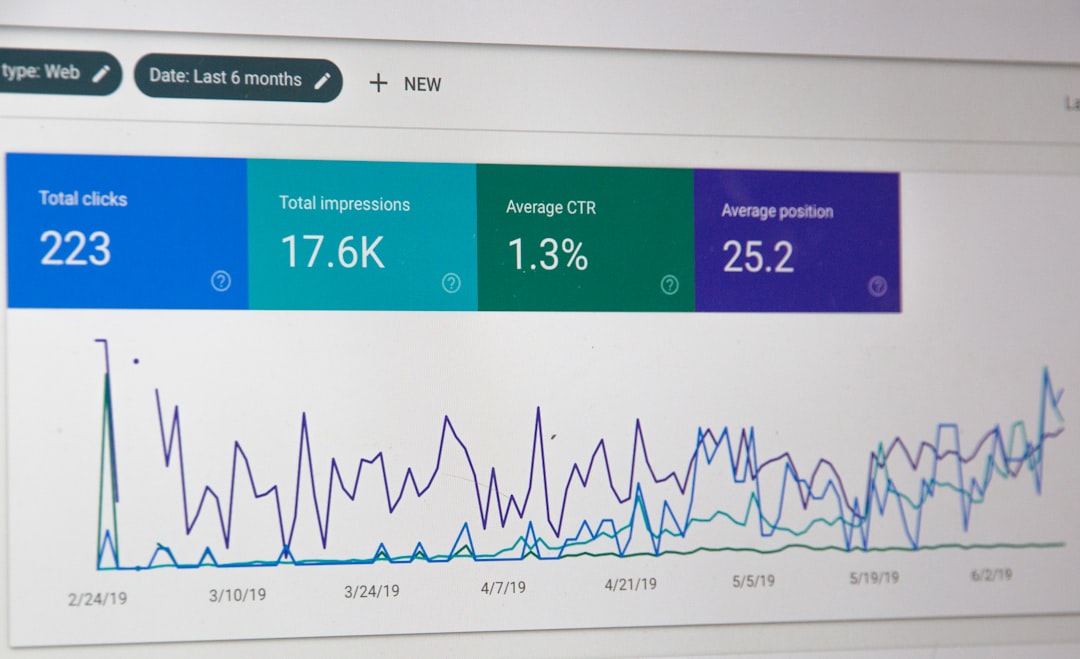
Understanding your audience’s behavior is crucial for refining your marketing strategies. Web analytics tools provide valuable insights into how users interact with your website, allowing you to identify trends and areas for improvement. By analyzing data such as traffic sources, user demographics, and conversion rates, you can make informed decisions to enhance your marketing efforts.
Regular reporting on your marketing performance helps you track progress and measure success. By setting clear goals and KPIs, you can evaluate the effectiveness of your campaigns and adjust your strategies accordingly. This data-driven approach ensures that your marketing efforts are aligned with your business objectives, ultimately driving growth.
Social Media Management
Social media platforms are essential for connecting with your audience and building brand awareness. Effective social media management involves creating and curating content that resonates with your followers while engaging with them in real-time. By maintaining an active presence on platforms like Facebook, Instagram, and Twitter, you can foster a community around your brand.
Additionally, social media advertising allows you to reach a broader audience and target specific demographics. By utilizing paid promotions, you can increase your visibility and drive traffic to your website. Consistent engagement and strategic content planning are key to maximizing the benefits of social media for your business.
Brand Strategy Development
A strong brand strategy is the foundation of your marketing efforts. It encompasses your brand’s mission, values, and unique selling propositions. By clearly defining your brand identity, you can create a cohesive message that resonates with your target audience and sets you apart from competitors.
Developing a brand strategy involves understanding your audience and their needs. By conducting market research and competitor analysis, you can identify opportunities for differentiation. A well-executed brand strategy not only enhances customer loyalty but also drives long-term business growth.
Search Engine Optimization
Search engine optimization (SEO) is crucial for improving your website’s visibility on search engines. By optimizing your website’s content and structure, you can increase organic traffic and attract potential customers. Effective SEO involves keyword research, on-page optimization, and building high-quality backlinks.
Staying updated with SEO best practices is essential, as search engine algorithms are constantly evolving. By regularly auditing your website and making necessary adjustments, you can maintain your rankings and ensure that your content reaches your target audience. Investing in SEO is a long-term strategy that pays off by driving sustainable traffic and leads.
Step-by-step plan:
Step 1: Identify your target audience and their needs. Step 2: Develop a comprehensive digital marketing strategy that includes various channels. Step 3: Implement your campaigns and monitor their performance. Step 4: Analyze results and optimize your strategies for continuous improvement.